
Agafay Desert Quad Biking: How to Prepare
One hour or two, quad or buggy, what to wear, when to go, with or without children: what to know before you go Agafay Desert quad biking near Marrakech.
 Hassan OubahaMerzouga ·
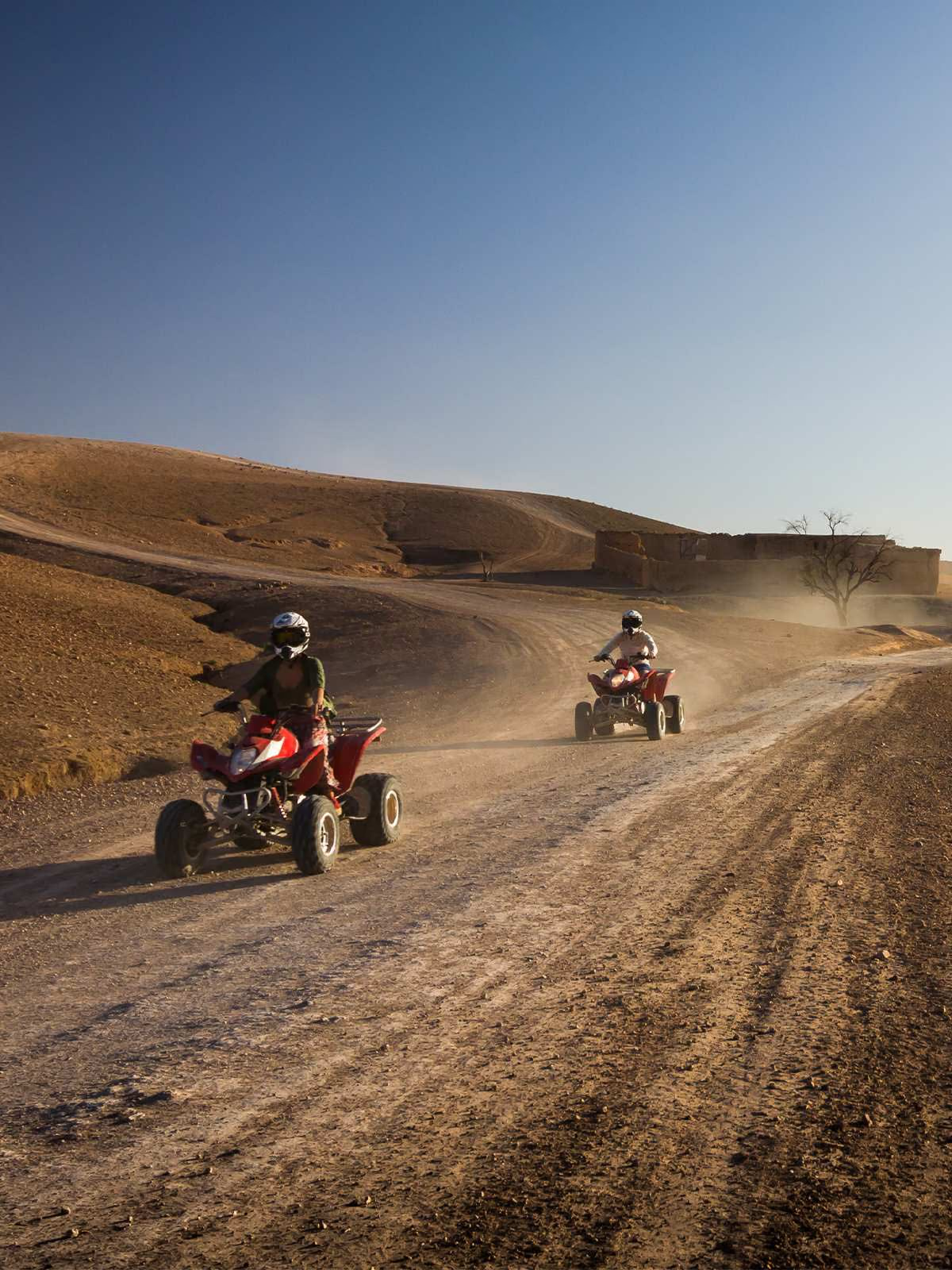
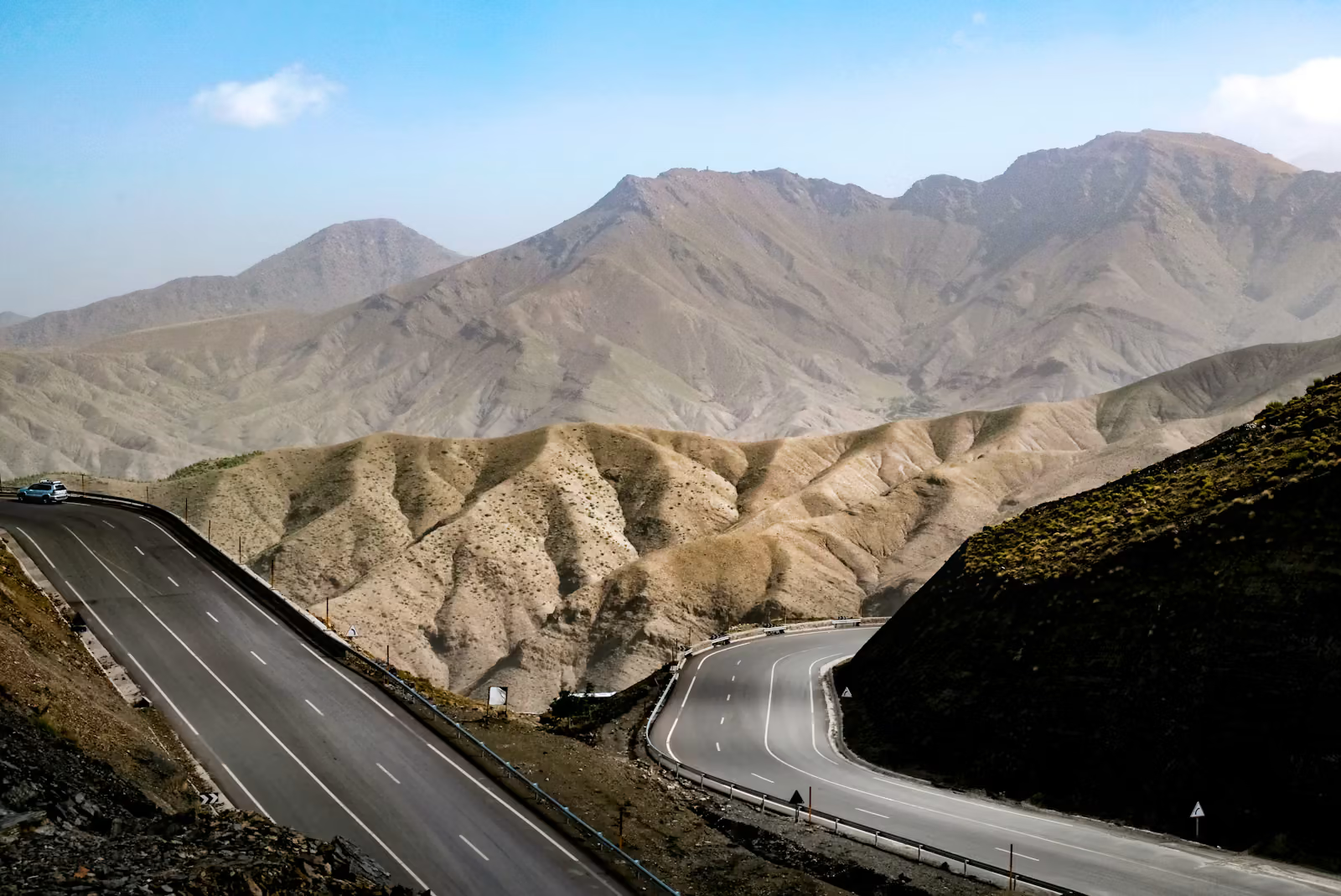
Agafay Desert quad biking has nothing to do with the postcard Sahara. There are no great sand dunes here, but a plateau of stone and ochre hills, scored with ravines, around forty kilometres south-west of Marrakech. That terrain is precisely what makes it such good quad bike country: wide tracks to build your confidence, rougher stretches for those who've ridden before, and the line of the High Atlas on the horizon almost everywhere.
Yet a good ride comes down to a few simple things: setting off at the right time, wearing the right clothes and choosing a length that matches what you're after. Here's what we tell travellers before they climb on.
One hour or two?
One hour is enough for a first taste. After the briefing and a practice lap, the guide leads the group on a loop across the plateau, stopping at the viewpoints. It's the right choice if you've never ridden before, if you're travelling with children as passengers, or if the quad is just one part of your day.
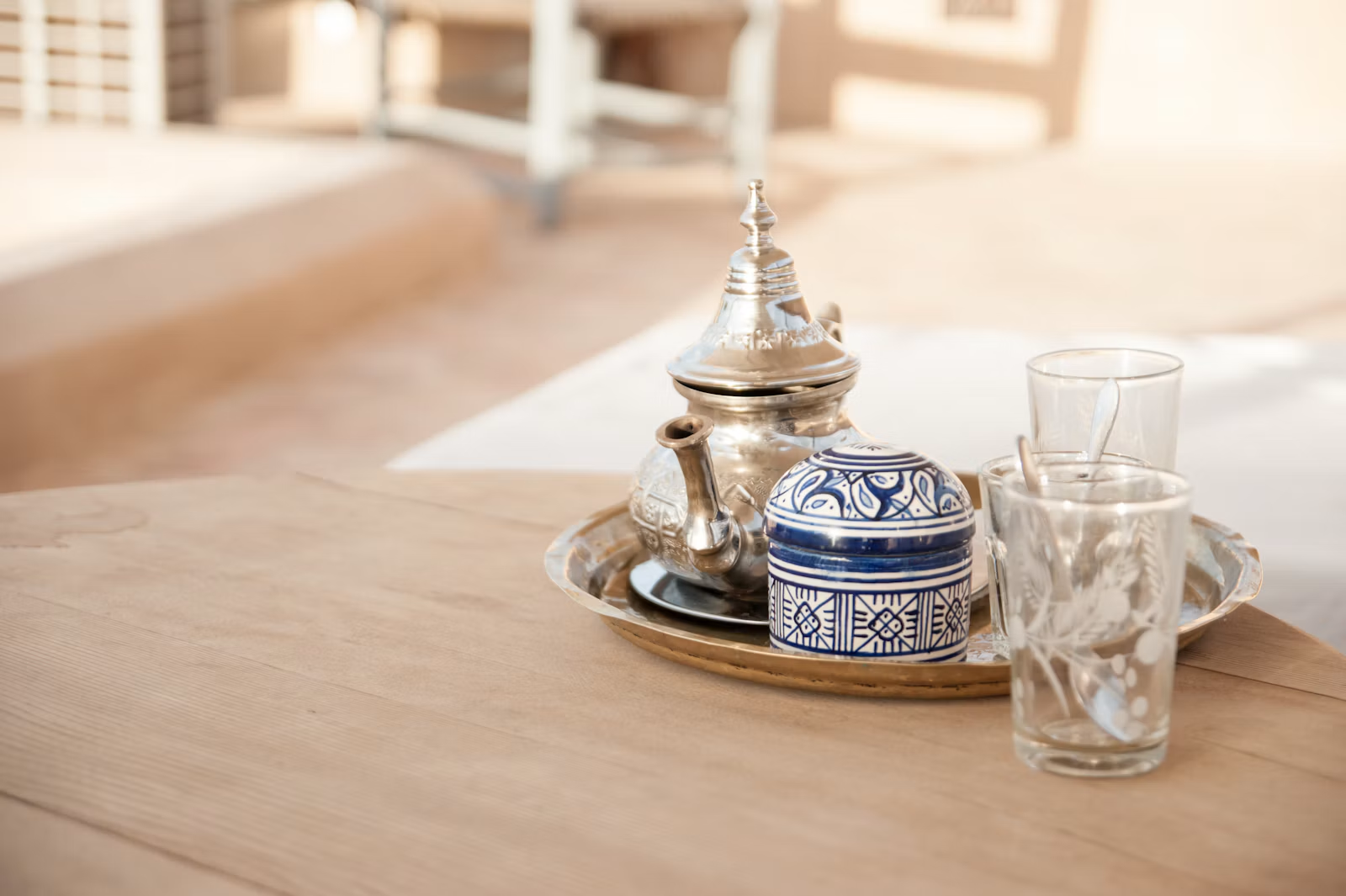
Two hours change the ride. You go further along the tracks, and the break is in a Berber house, over mint tea, bread baked over a wood fire and olive oil. Beginners gain too: the second hour is often when you relax, your hands loosen their grip on the handlebars and you really start to take in the landscape.
If you're unsure, think about your stamina rather than your experience. Two hours on the tracks, with the vibrations and the dust, take some endurance, especially in the heat.
Quad or buggy?
A quad bike is ridden solo, astride like a motorbike, with handlebars. It's more physical, and more thrilling too: you feel every bump. No licence is needed from the age of 15, once the briefing is done. You can also share one, with the passenger sitting behind the rider, which is what many parents do with their children.
The two-seater dune buggy is more like a small off-road car: a steering wheel, seatbelts, a roll cage and two seats side by side. It appeals to couples who want to ride together and to anyone who'd rather be strapped snugly into a seat. On the other hand, the driver must be 18 and hold a driving licence, and the price is per buggy, for one or two people.
With children
Children can come along from the age of 5, always as passengers, never at the controls. On a quad, they sit behind an adult; in a buggy, in the passenger seat. Before booking, ask yourself above all whether your child will put up with the helmet, the engine noise and the dust for an hour. For younger ones, the short option is almost always the right one, and you can round off the afternoon with a gentler camel ride.
What time should you go?
From June to September, the answer is simple: go in the morning or late in the day. In July and August, afternoons climb above 35 °C on more than one day in two on the plateau, and there isn't a single tree for shade. That's why our one-hour ride offers a 4pm departure.
From October to April, any time works, though late afternoon has the edge. The light turns golden, the hills take on a coppery glow and the Atlas, often snow-capped from December to March, stands out sharply to the south. Just bring a warm layer for the ride back: the air cools quickly once the sun drops behind the hills.
What to wear
Dust is part of the experience. It settles everywhere, on your clothes and in your hair, so you might as well accept it from the start. A helmet, goggles and a chèche, the long scarf wrapped around the head and face, are provided on site. For the rest:
- closed shoes, trainers or walking shoes, never sandals;
- long trousers, even in summer, to protect your legs;
- a long-sleeved top or a light windbreaker, depending on the season;
- sunglasses for before and after the ride;
- sun cream, even in winter.
Leave behind any light-coloured clothes you're fond of. And if you wear contact lenses, the goggles limit the discomfort, but a spare pair of glasses can come in handy.
What to bring, what to leave behind
As little as possible. A phone in a zipped pocket, a little cash, perhaps a small bottle of water. Leave bulky bags at your hotel: on a quad, anything that dangles ends up getting in the way.
For photos, there's no need to ride one-handed. The guide stops at the best viewpoints, and that's when everyone gets their phone out, usually while the dust settles.
Safety before you set off
Nobody sets off without a briefing. The guide explains the controls and how to brake and turn, then everyone does a lap of the practice circuit. After that, the group rides in single file behind him, at a pace he sets for the least confident riders. On group rides, two to three guides look after the line.
Quad biking isn't recommended for pregnant women or people with back problems: the jolts are real, even at a moderate pace. In that case, a camel ride or dinner at the camp lets you enjoy the place in a different way.
Getting to the camp
You meet at the base camp, 30 to 40 minutes' drive from the medina; the exact location is sent with your confirmation. If you don't have a car, we pick you up from your hotel or riad and bring you back: €60 per vehicle from the Medina, Gueliz or Hivernage, €70 from the Palmeraie and outside the city. One vehicle carries up to six people, so if you're a group, the cost is shared.
Paying and cancelling
Nothing is paid when you book. You pay in cash on the day, and cancellation is free: just let us know as soon as you know you won't be coming.
To compare lengths, options and prices, all our rides are gathered on the quad biking and buggy in Marrakech page. And if you'd like to stretch the day into the night, the quad, camel ride and dinner show outing combines all three.